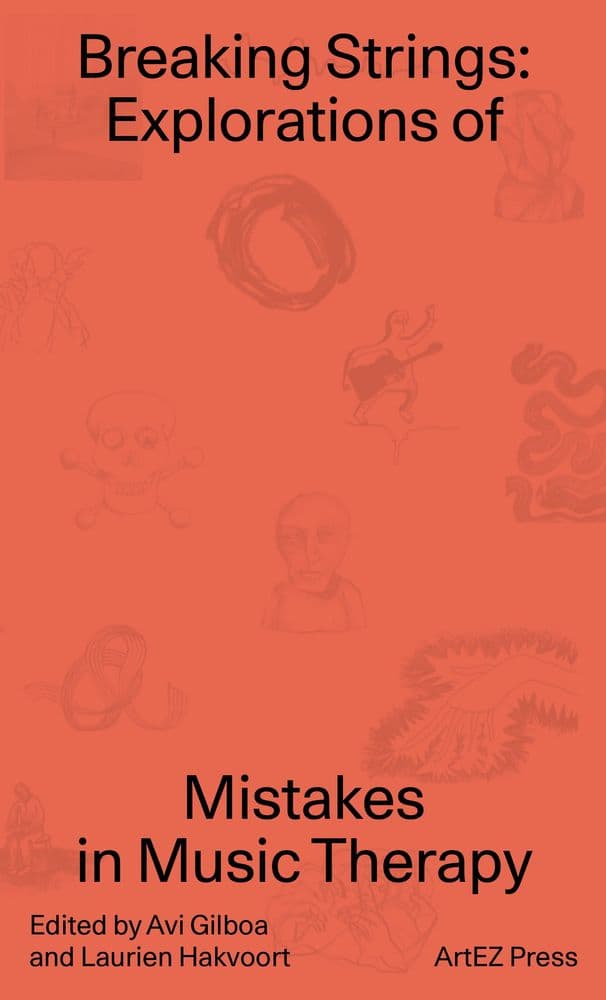
Mistakes are quite common in music therapy, yet rarely discussed. The book Breaking Strings: Explorations of Mistakes in Music Therapy and this interview are an attempt to remedy that.
We should beware of using Ariely and others as scapegoats. Rather than dwelling on the moral failings of individual researchers, we might reframe fraud and misconduct as a systemic problem.
So if you ask, ‘who’s responsible?’ The truth is that everybody’s pointing but nobody is doing anything.
Psychological science is in a crisis, and has been for quite some time.
We talked with Léa Roumazeilles, PhD candidate in Neurobiology at Oxford University. We spoke with her about her thesis subject: ‘Structure and function of the social brain in primates’.
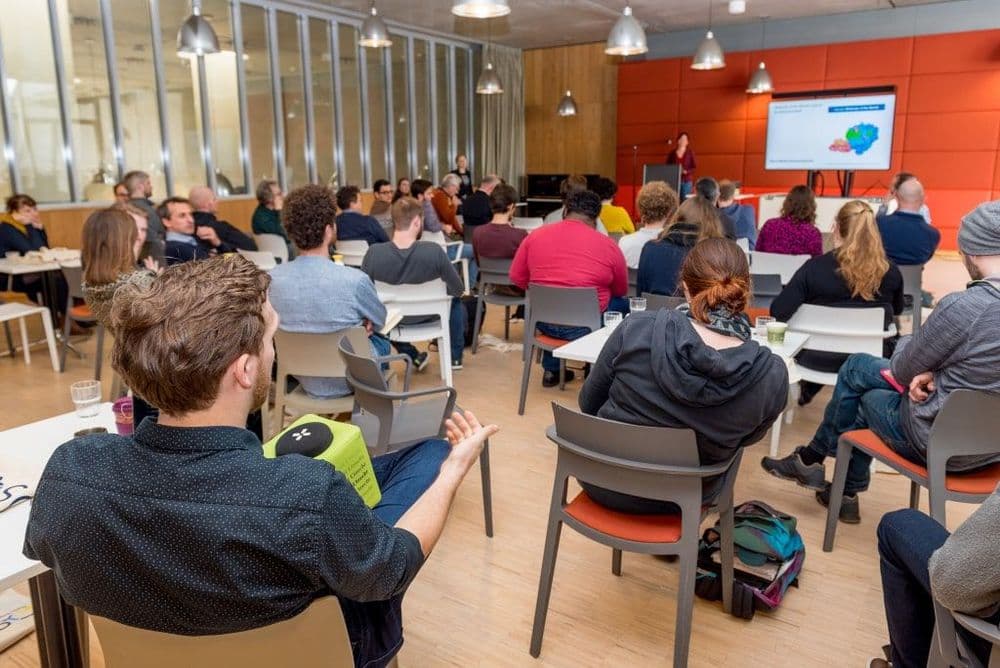
On February 6, the Open Science Community Utrecht (OSCU) organized a symposium on Open Science at the Faculty of Science of Utrecht University.
Vorige week presenteerde minister Van Engelshoven haar langverwachte ‘Strategische Agenda voor het hoger onderwijs en onderzoek’.
When I first heard the term “open science” and realized what it meant, I thought, well, that sounds good, how hard can it be?
As fall hits, we now look back and reflect about the beginning of summer.
What does a congress on Posthumanism have in common with our journal? To be very honest, I had no idea at first.
Newer posts